


Monday – Saturday · 10:00 am – 1:00 pm & 5:00 pm – 8:00 pm+91 78630 44049
ArunadityaInstitute of UrosciencesAdvanced Urology & Andrology Hospital
Understand your health

Practical guidance. At every step.

Clear, useful information to help you prepare for care, recover after a procedure and reduce the chance of future problems.

Prevention

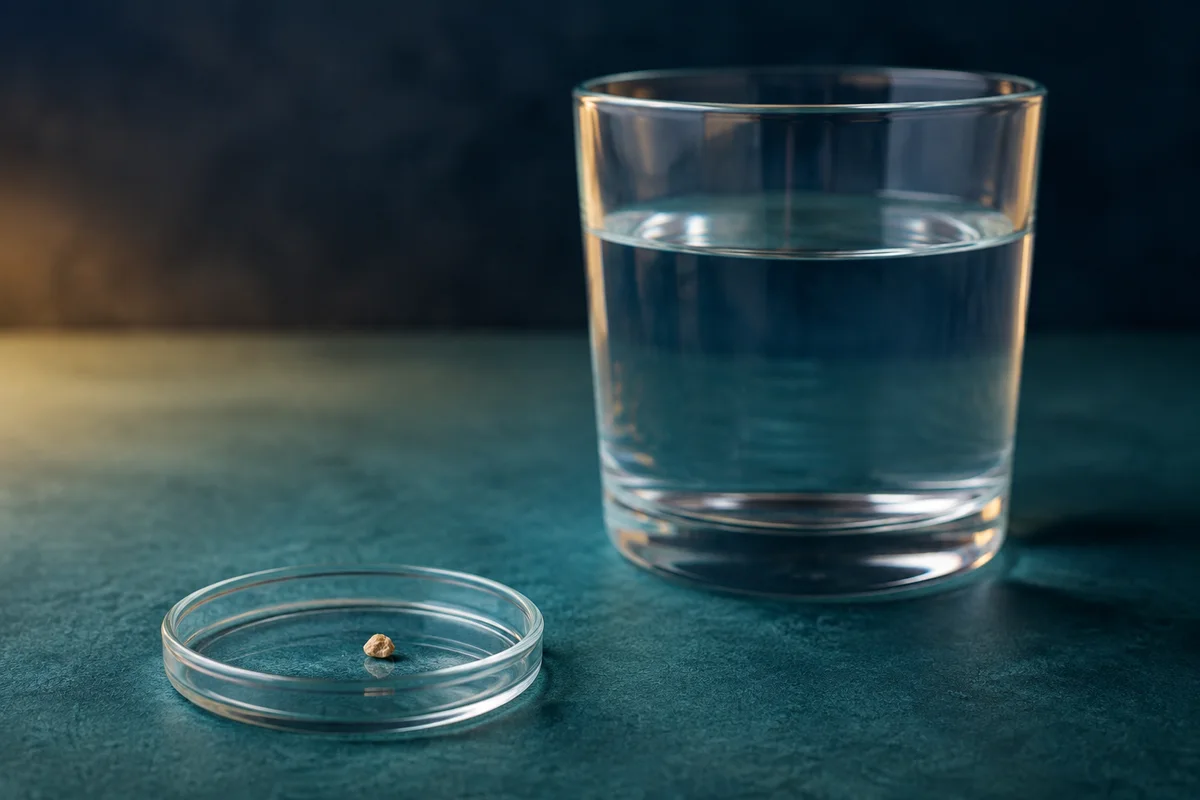
Preventing kidney stones from returning

Stone removal treats the current stone. Long-term prevention starts with understanding why it formed and choosing changes that fit your health.

Read the guide
Prevention

When urinary infections keep returning

Repeated burning or urgency deserves assessment. Similar symptoms can have different causes; prevention works best when the diagnosis and your personal risk factors are clear.

Read the guide
Prevention

Helpful prostate and bladder habits

Small habit changes can ease some urinary symptoms. A weak stream, frequent night-time urination or leakage still needs assessment so that the cause is understood.

Read the guide
Exercises

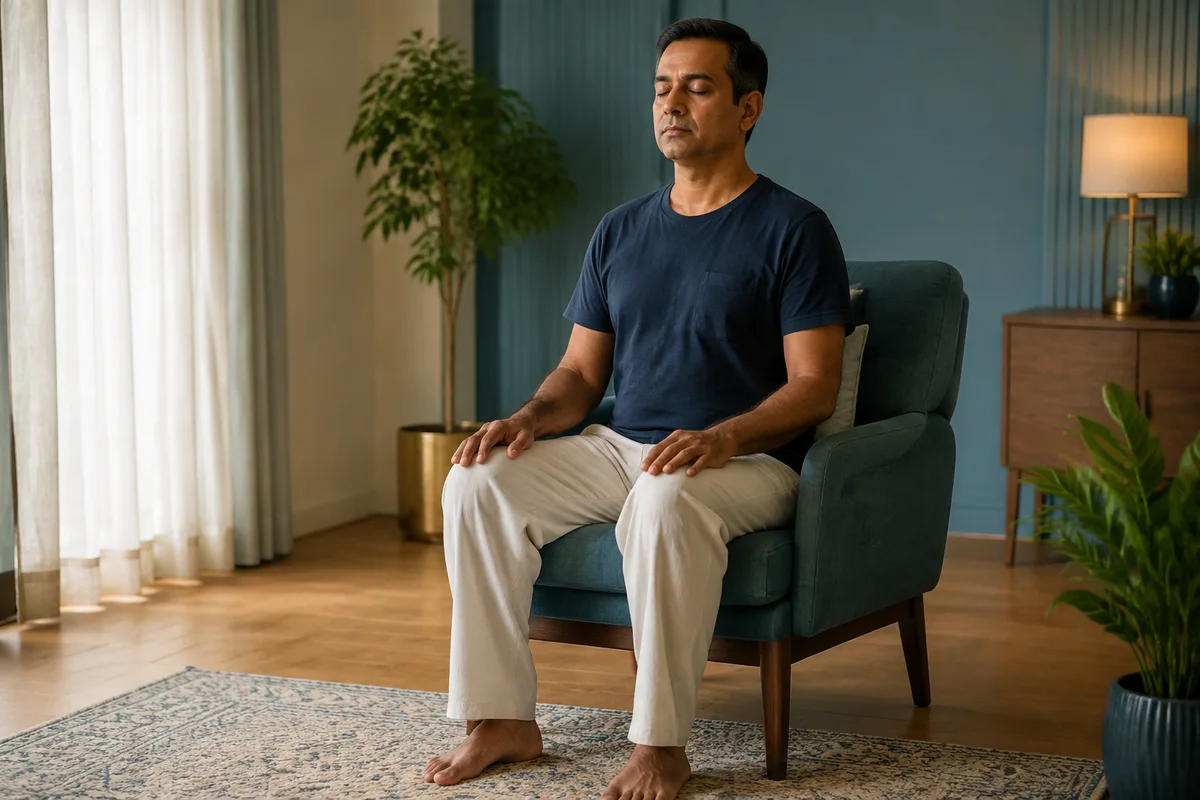
Pelvic floor exercises: squeeze and relax

Pelvic floor muscles support the bladder and bowel. Correct training may reduce urinary leakage in women and men, but strengthening is not suitable for every pelvic problem.

Read the guide
Before your visit

Preparing for a consultation or procedure

A little preparation helps your team understand your symptoms and plan care safely. A clinic consultation and a procedure under anaesthesia can need very different preparation.

Read the guide
After a procedure

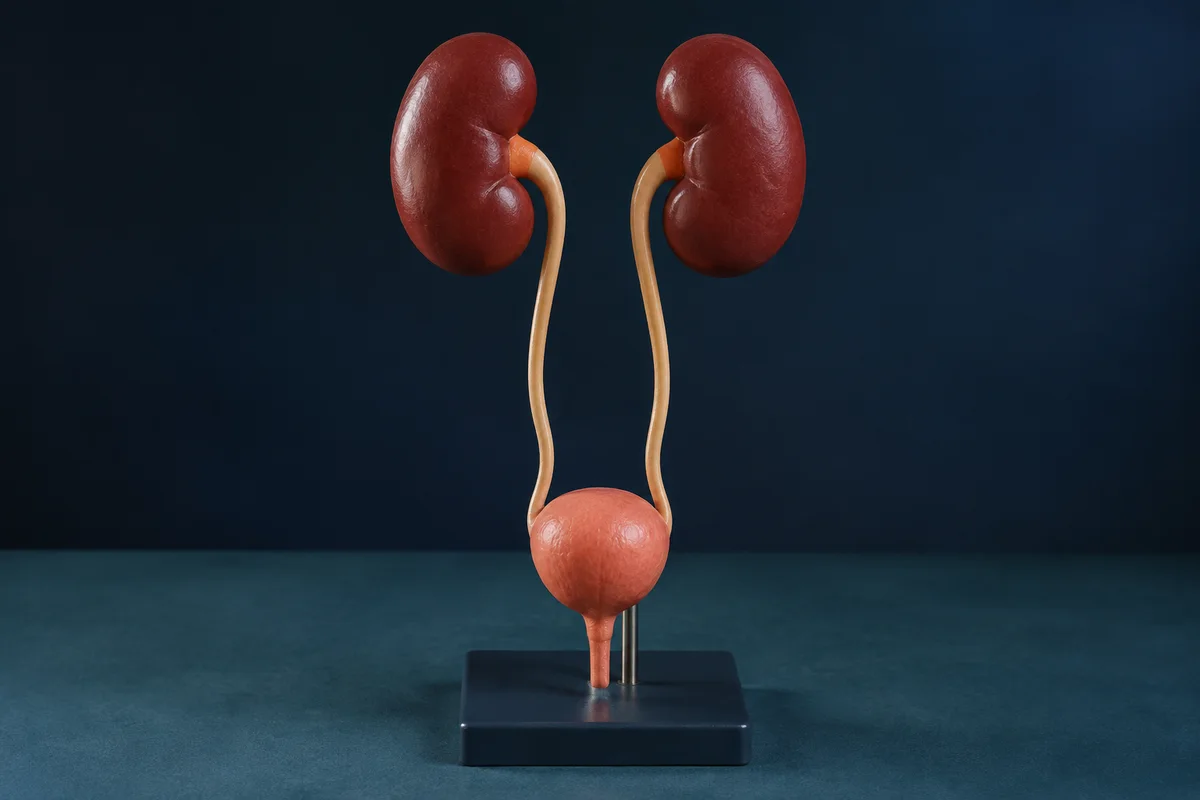
After ureteroscopy or a ureteric stent

A ureteric stent is a temporary internal tube that helps urine drain from the kidney to the bladder. Your operation details and individual discharge instructions guide your recovery.

Read the guide
After a procedure

Recovering after prostate surgery

Recovery differs after an operation for an enlarged prostate and removal of the prostate for cancer. Use your surgeon's discharge instructions for your exact operation, medicines and activity limits.

Read the guide
After a procedure

Looking after a urinary catheter at home

This guide covers a catheter left in place to drain the bladder. Follow your nurse's instructions for your particular tube, bag or valve; intermittent self-catheterisation needs separate practical teaching.

Read the guide

Illustrative image — not a hospital or patient photograph.

Patient Education

Learn with our videos

Short guides from Arunaditya, in your chosen language. Watch at your own pace or read the transcript.

Preparing for your consultation

Silent video with on-screen guidance. Your clinician’s instructions take priority.

Read the video transcript

Arunaditya Institute of Urosciences Advanced Urology & Andrology Hospital

Make the most of your visit. A little preparation helps you explain your concerns clearly.

Bring your reports and scans. Carry earlier test reports, scan images and discharge summaries, if available.

List your medicines. Include prescriptions, supplements and any medicine allergies.

Note symptoms and questions. Write down when symptoms began, how they affect you and what you want to ask.

Confirm your appointment. Monday–Saturday: 10am–1pm and 5pm–8pm. Sunday: by appointment.

Follow your hospital’s instructions. Check any test or procedure preparation with the hospital. Do not assume fasting is needed.

Ready for your conversation. Bring your documents and questions. Call +91 78630 44049 to confirm your visit.

Pelvic-floor exercise basics

Silent video with on-screen guidance. Your clinician’s instructions take priority.

Read the video transcript

Arunaditya Institute of Urosciences Advanced Urology & Andrology Hospital

Pelvic-floor exercise basics. A gentle introduction. Ask your clinician whether these exercises are suitable for you.

Start only when advised. After an operation, follow your surgeon’s timing and instructions. Ask if you have pain or difficulty relaxing.

Gently lift and squeeze. Imagine gently preventing wind from passing. Feel an inward lift around the back passage.

Keep breathing normally. Keep your buttocks and thighs relaxed. Avoid straining or holding your breath.

Relax fully between attempts. Let go completely. Ask a pelvic-floor physiotherapist to guide your technique and personal routine.

Do not practise while urinating. Repeatedly stopping the urine stream is not an exercise routine. Practise at another time.

Stop if it hurts. Stop and contact your clinician if pain develops or symptoms worsen. Follow an individual exercise plan.

More from trusted medical organisations

Independent resources on YouTube, in English. These are not hospital-produced videos.

CallWhatsAppGet directions