
What it is
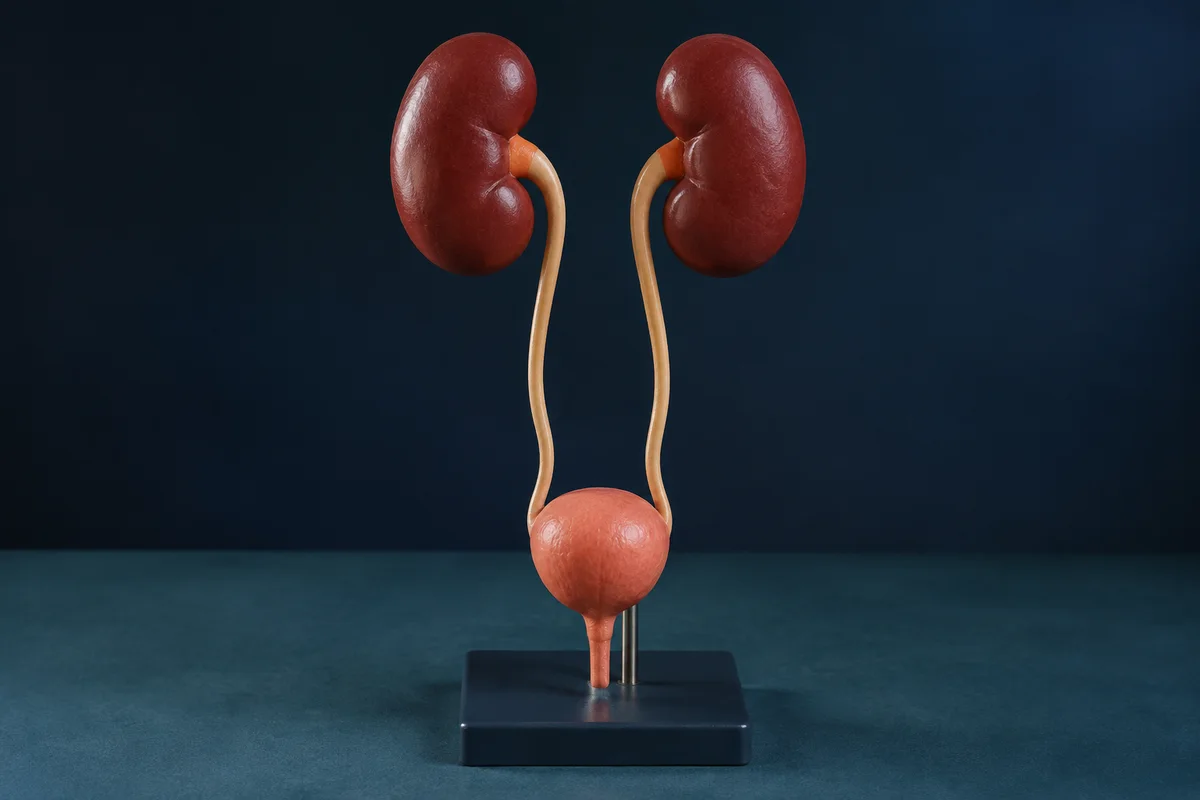
Retrograde intrarenal surgery uses a fine flexible telescope passed through the urethra, bladder and ureter into the kidney itself. A laser fibre passed down the scope breaks the stone into fragments or dust, which are then removed or passed naturally. Because the scope travels along the body's existing passage, there is no cut anywhere on the body.
Who it may suit
RIRS may be considered for selected kidney stones, commonly those up to about 2 cm, depending on their size, location and your health. Other approaches may be more suitable, and some stones need more than one procedure. Tell the team if you take blood thinners or have a bleeding disorder; the procedure and medication plan must be assessed individually. Do not stop prescribed medicines on your own.
Anaesthesia & recovery
Performed under spinal or general anaesthesia, usually as a one-day admission. A DJ stent is normally left in place for one to two weeks afterwards to keep the kidney draining, and is removed in a short outpatient procedure. Most people return to routine work within a few days.
Important
Whether a particular procedure is right for you can only be decided after consultation and investigation. Recovery times below are typical and not a promise; every operation carries risks, which are explained in full before you consent.