
What it is
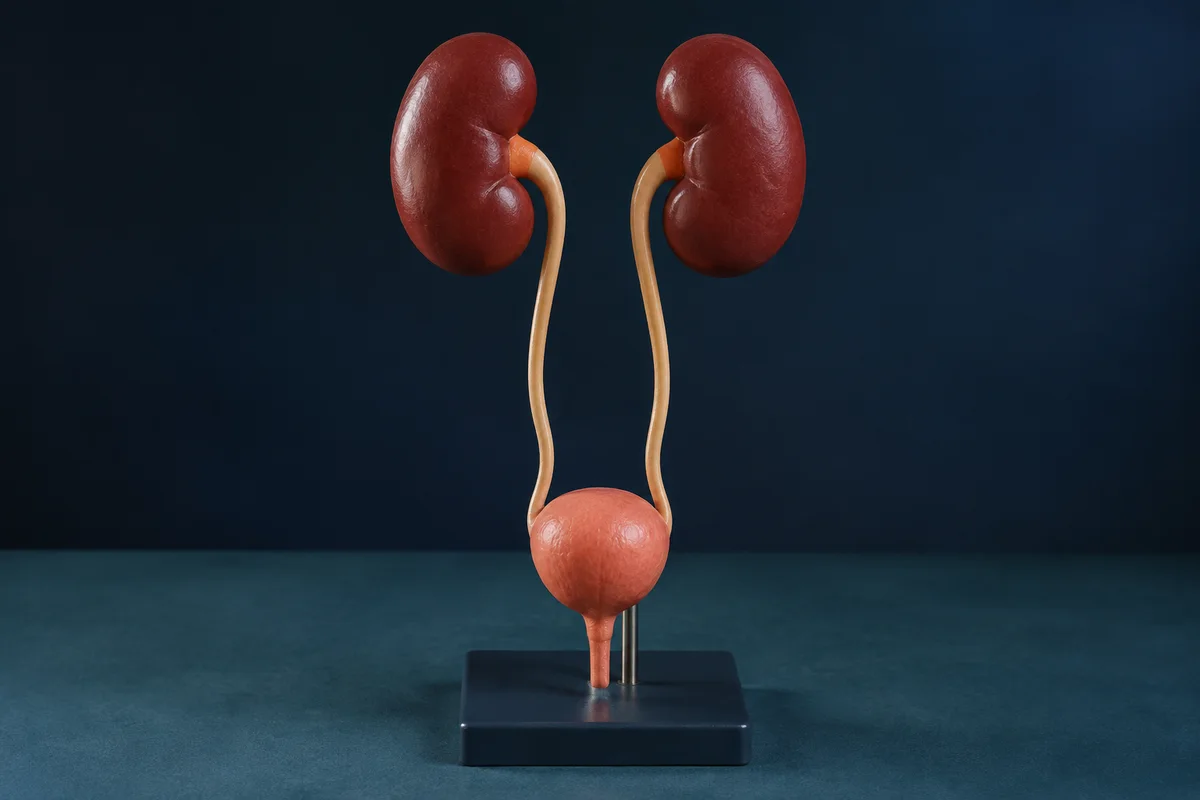
A fine telescope is passed up the urethra and bladder into the ureter, to a stone that is stuck and obstructing the kidney. The stone is broken with a laser and the fragments removed. A DJ stent — a soft internal tube running from kidney to bladder — is often placed for a short period afterwards to keep the kidney draining while the ureter recovers.
Who it may suit
Ureteroscopy may be used for ureteric stones that are unlikely to pass, cause persistent pain or obstruction, or have not cleared with observation. If a blocked kidney is infected, urgent drainage with a stent or nephrostomy and antibiotics is the priority. Definitive stone removal is usually delayed until the infection has cleared.
Anaesthesia & recovery
A ureteric stone can often be treated during a short hospital stay. A stent may cause frequency, a sudden urge to pass urine and small amounts of blood in the urine. The team will give you a removal or exchange date; do not leave a stent in beyond the advised date. Seek urgent care for fever, severe pain or inability to pass urine.
Important
Whether a particular procedure is right for you can only be decided after consultation and investigation. Recovery times below are typical and not a promise; every operation carries risks, which are explained in full before you consent.